
The Sinful Dwarf
1973 directed by Eduardo Fuller
by Klon November 16, 2025
The Sinful Dwarf is a 1973 Danish-American co-production and it’s one of the most notorious films in the Something Weird Catalog, it’s so fucked up that after watching it you’ll want to volunteer at the soup kitchen just to clear your karmic slate. It’s the gentle yarn of Olaf, a sadistic little person who’s the muscle for his mom’s brothel; it’s up to him to kidnap the girls, lock them up in a dank attic and get them hooked on heroin. It might SOUND like a dream job, but Olaf’s under a lot of pressure! His neighbors are always on the verge of discovering his attic full of junky sex slaves and his mom is a drunk that likes to perform musical numbers. To relieve stress Olaf plays with his collection of well-worn wind up toys that look like something from a Mike Kelley art installation.
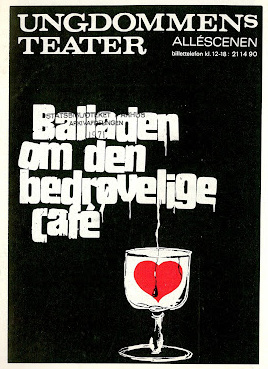
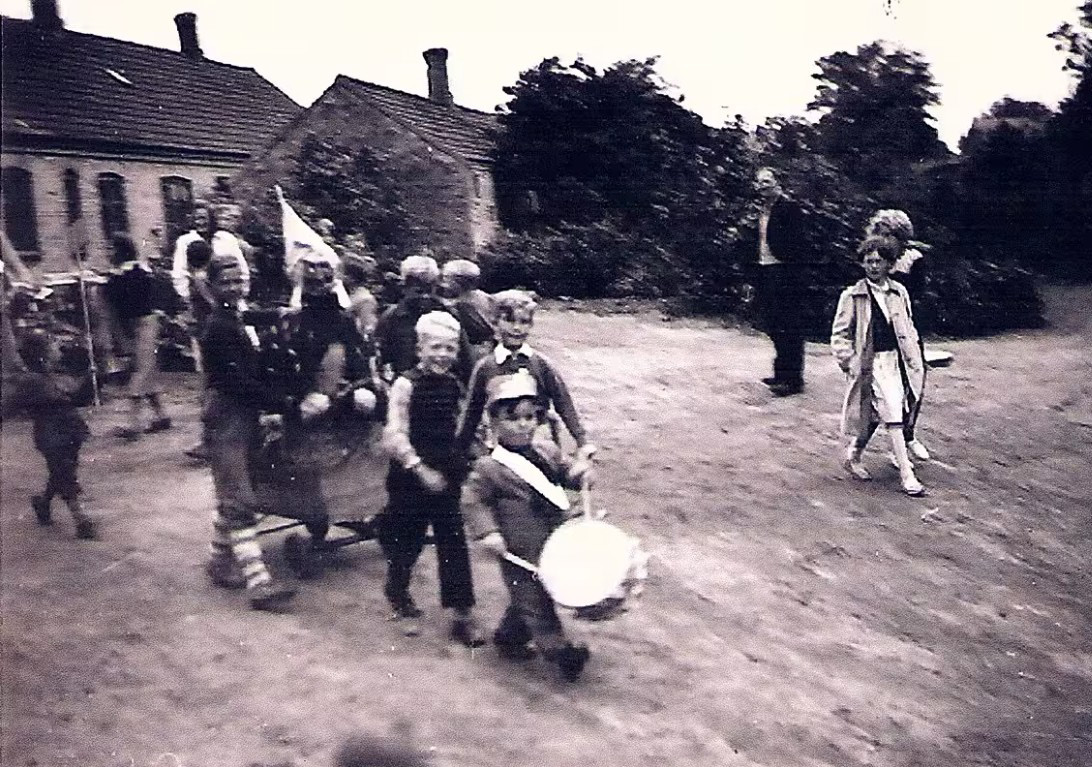
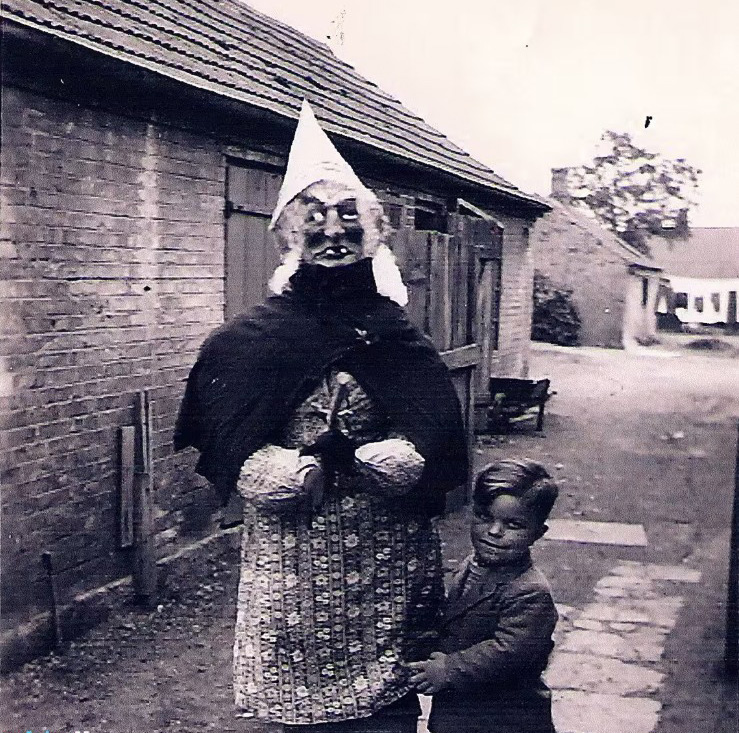
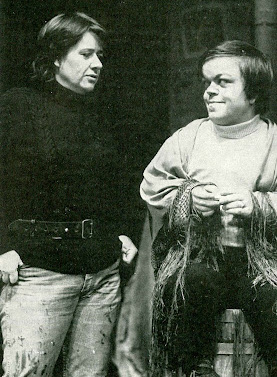
The maniacal performance by Torben Bille as Olaf places the character in the same league as ANY of the classic mother-loving cinema psychos like Norman Bates or “Bad” Ronald Wilby. Over the years Bille has been the subject of many rumors. I can neither confirm or deny that he wound up marrying and having a child with co-star Anne Sparrow or that he hosted a kid’s show before filming this sicky. What I CAN confirm is that as a child he was a part of a traveling performance troupe, throughout the 70s and 80s he appeared in at least 15 movies and worked behind the scenes as a stage manager and prop master, he also had a theater career in addition to his film work. I never found footage or photos of Torben hosting a kids show, but I found posters and photos for a 1971 stage production of The Ballad of the Sad Cafe where Torben plays the role of Cousin Lymon. Located in Copenhagen, the theater was known as the ungdommens teater which translates to “Youth Theater.” To an American a Youth Theater sounds like it’s a puppet show or a community theater for little kids, but based on the fact that Sad Cafe is a dark southern gothic story I’m going to assume that they’re using the word youth in the same way that it’s used in youth hostel. Bille also performed in a 1979 stage production directed by Danish actress Jytte Abildstrøm who was known for performing in family films like Benny’s Bathtub (1971, Jannik Hastrup, Flemming Quist Moller). Abildstrom and Bille were also voices in a Danish version of Tintin and the Lake of Sharks (1972, Raymond Leblanc), an animated feature based on the popular Belgian comic. It’s possible one or all of these connections have contributed to the idea that Bille was a children’s show host, but if there’s some kind of proof out there I’d love to see it. In my research I grew to adore him. I found a photo of him as a child playing drummerboy while leading a parade in his home town and one where he’s posing with a Halloween witch decoration and flashing a mischievous smile. It seemed as though Torben was a valuable and beloved part of the Danish entertainment world; tragically he died young in 1993 at the age of 47.
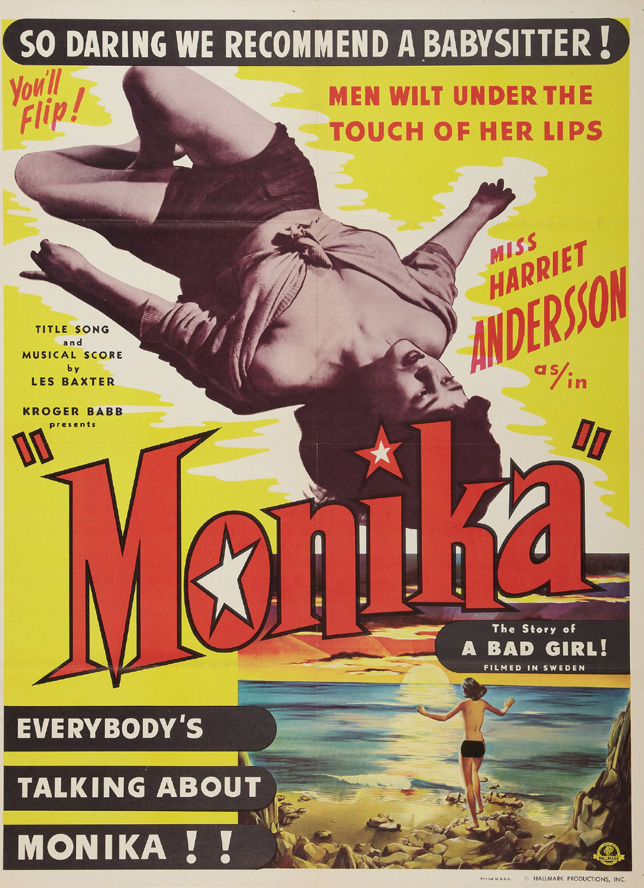
The Sinful Dwarf is made in Denmark but shot in English for the American and British markets. For much of the cast and crew this would be their only film credit and many used pseudonyms. You’d be tempted to think they weren’t PROUD to be a part of this minor masterpiece.It was made with a sense of absurd humor, but there’s a true ugliness that can’t be ignored. Similar to Pink Flamingos (1973, John Waters) from the year before, kidnapped sex slaves are a major plot point. But kidnapping seemed to be in the zeitgeist during the early 70s as films like They Call Her One Eye (1973, Bo Arne Vibenius), The Candy Snatchers (1973, Gordon Trueblood), Date with a Kidnapper (1976, Frederick R Friedel) and The Last House on the Left (1972, Wes Craven) were all made within a few years of one another. But I guess the kidnapped teens of the 70s became the Satanic Panic parents of the 80s and 90s. The film was brought to the US by exploitation kingpin Harry Novak and distributed through his Boxoffice International Pictures company. Harry is a crucial part of the Something Weird story and we’ll be hearing more about him throughout this series. But where the hell did this thing come from? WHY did anyone think it was a good idea? As early as the 1950s Scandinavian countries had a reputation in the US for their unrestrained on-screen sexuality. The Swedish film One Summer of Happiness (1951, Arne Mattson) had won the Golden Bear in the Berlin International Film Festival, but horndogs all over the world praised its skinny dipping scenes which offered a rare chance to glimpse bare breasts on the silver screen. Summer with Monika (1953, Ingmar Bergman) featured enough nudity and sexuality that exploitation filmmaker Kroger Babb bought the US rights, dubbed it in English, hired Les Baxter to rescore it and sent it out to American drive-ins as “Monika, Story of a Bad Girl.” The mid-50s communist panic in the US added a layer of immorality to public perception of these films and by the 1960s Scandinavian films like I Am Curious (Yellow) (1967, Vilgot Sjöman) and I, A Woman (965, Mac Ahlberg) were mixing the political and sexual while bringing in tons of money. Most importantly they were winning high-profile court cases that would allow the screens of America to be filled from corner to corner with ballsacks, boobs, boners, blowjobs and more! The arthouse market provided a respectable cover for explicit content and subversive topics while American filmmakers like Radley Metzger, Alex De Renzey and Joe Sarno were filming in Europe or appropriating the European style for the 42nd Street theaters. A porno pipeline had been well established that brought European film to American audiences.
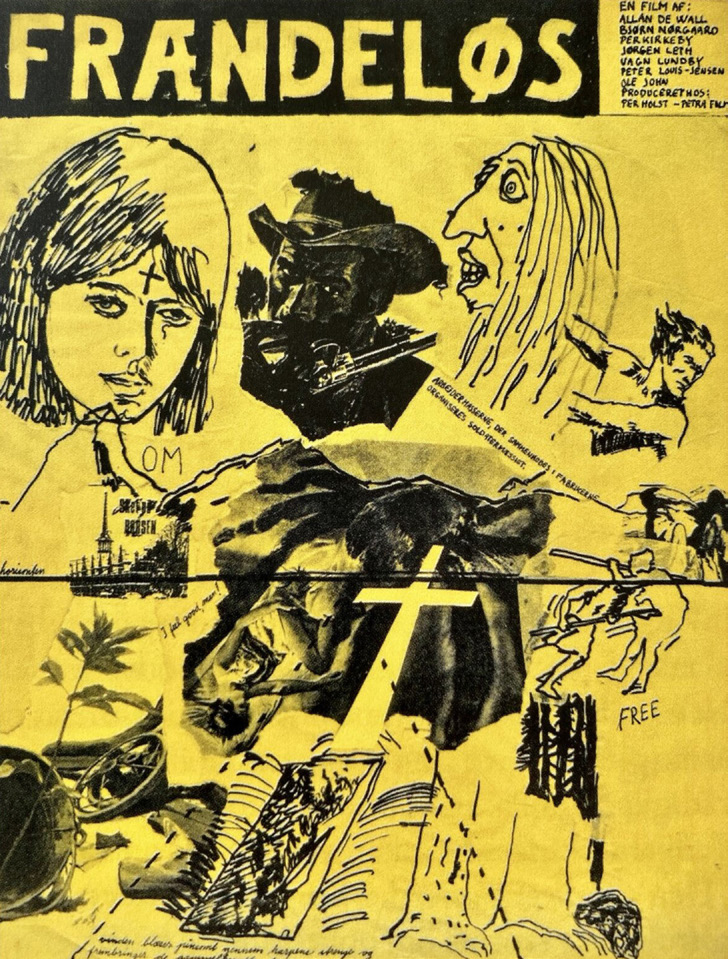
The Danish film industry of the 60s had become creative in their attempts to boost box office. The advent of television in the 50s had caused ticket sales to steadily decline and most of the films being shown were American productions. The Danish Ministry of Culture helped out by setting in place a Film Fund supported by the government’s revenue from ticket sales. This fund helped establish film schools and museums and provided institutional support that has allowed Danish cinema to thrive while other European countries have seen a decline in output. In avant garde circles of the 60s and 70s the conversation about cultural support of the arts centered around access -WHO would benefit from these programs? The ABCinema was a group of a few dozen artists, students and filmmakers who were attempting to democratize the medium. Their motto was “the revolt of the amateur against the professionals.” They tried all manners of collectivist experiments like shooting their films simultaneously on Super 8 cameras and using multiple projectors running at the same time to exhibit the finished product. Their films could be personal, satirical, political, and sexually explicit. For instance, their 1970 film Frændeløs (1970, Jørgen Leth, Per Kirkeby, Bjørn Nørgaard, Vagn Lundbye, Allan De Waal, Peter Louis-Jensen) translated as “Without Kin” would feature images such as a female christ crucified on the beach, a spaghetti western parody,and a couple having sex in a wooden contraption, a one on one interview with a young hippie woman, a segment of double exposed street scenes and more. Who could’ve predicted that the movement didn’t have much success?? In 1969 they were arrested during an occupation of a film school but by 1971 they had disbanded. While their goals were to create a non-hierarchical film model outside of the pressures of commercial demands, they were pressing the culture towards a looser definition of what could be allowed on screen, inadvertently benefitting the most commercially driven branch of cinema, the exploitation film. Denmark would be the first country to officially remove film censorship restrictions in 1969 and sleazeballs from all over the world flocked to the country to take advantage. The explosion of production made pornography Denmark’s number one export. An arms race of novelty began where filmmakers attempted to outdo one another in their depictions of extreme acts. Soon all manners of horrors were being filmed that would shock the rest of the world; movies involving animals or minors were unfortunately all too common.
Now I suspect that this sharp decline from fun in the sun skinny dipping into bizarre criminality was driven less by the audience’s desire to see these acts than the filmmakers desire to film them. Either way, a black market developed and in the public imagination if you uttered the right code word to the right pervert in the moldiest corner of the scariest porno shop you could get anything you wanted, or even worse, you could get more than you bargained for. Director Eduardo Fuller was an American who directed only a few films. The Loves of Cynthia from 1972 was directed using the pseudonym Arnold Baxter and The Sinful Dwarf under the pseudonym Vidal Raski. If you’re going to direct The Sinful Dwarf using a pseudonym, you could sure do worse than Vidal Raski! Supposedly Nicholas Poole, the American financier of the film, hosted lavish parties in his penthouse hotel during production, then skipped out on the bill once the shooting was done. On the Danish side of the crew was producer Bent Tømming, who produced Fuller’s Loves of Cynthia as well as two other early 70s porno films with the innocent sounding names of The Blue Balloon (1973, Svig Sven) and The Birthday Party (1971, unknown). You might be surprised to learn that the dirtbag Danes and Ugly Americans that put together The Sinful Dwarf didn’t have enduring film careers, but they left us this bad taste manifesto before they hung up their movie cameras. It’s not unusual for films in the Something Weird catalog to have a similarly murky lineage, but few movies are as sensational as The Sinful Dwarf. It’s the kind of art designed to generate rumors and urban legends and with few reliable facts available in English, we’re left only to speculate about the truth.